

Dr. Ali Al Ghrebawi
Senior consultant general and digestive surgery, Euregio Hospital, Germany
Senior consultant general and digestive surgery, Euregio Hospital, Germany
Germany
Abstracts
GERD post Sleeve Gastrectomy, What to do?
Fact ???
Gastroesophageal reflux is a known complication following laparoscopic sleeve
gastrectomy , as anatomical changes predispose to reduce lower esophageal
sphincter pressure and development of hiatus hernia.
A study from 2021 found that up to 40% of people who had a sleeve gastrectomy
developed GERD after surgery
. Steven De Meester
Additionally, sleeve gastrectomies can increase pressure inside the stomach, which
can disrupt LES function.
The mainstay of surgical management has been Roux-en-Y gastric bypass (RYGB) .
Ben Indja, Daniel L. Chan & Michael L. Talbot
SILS low rectum resection
Introduction
The laparoscopic approach for benign disease is safe, feasible, and effective.
More challenging is the adoption of this approach while addressing colorectal
cancer disease and maintaining oncological principles.
After performing a standard laparoscopic surgery technique in benign and
malignant diseases for several years, we are now moving one step forward
Results
Single Port TME is an advanced minimally invasive laparoscopic
surgical technique that allows surgeons a more accurate pelvic
dissection while improving the visualisation of the operating field.
Less manipulation of the tissue should improve the operative and
short term outcomes. This particular surgical technique reduces
abdominal wall trauma and the potential risk of port site metastasis
SILS Resection-Rectopexy
Learning Objectives
1. To diagnose a patient complaining of chronic constipation
mostly diagnosed as IBS!
2. To operate the rectal prolapse and rectocele.
3. Using reduced port technique which is advanced laparoscopic procedure.
Conclusion
‘The treatment of choice is an abdominal procedure (preferably resection rectopexy) due to the fact that
the recurrence rates are lower, and continence is more likely to be restored than after other operations.
Although perineal operations may have higher recurrence rates, they are also much less invasive. These
balancing morbidity, function and recurrence.’
Christian T Hamel, M.D. and Steven D Wexner, M.D.
latter surgeries are well chosen for the elderly patients with comorbidities in whom an abdominal
approach carries a prohibitively high operative risk. One must match the operation to the patient,
Department of Colorectal Surgery, Cleveland Clinic Florida, Fort Lauderdale, Fl, U.S.A
Featured 2026 Speakers
Speakers of The Club

Dr. Pablo Palma
King’s College Hospital London
.jpg)
Dr. Pear Mohammad Enam
Meritus Medical Center

Dr. Omar Khokhar
University of Illinois College of Medicine-Peoria

Dr. Mohamed Nada
Head - Gastroenterology & Advanced Endoscopy Department, Medicare Hospitals

Dr. Sami Alasari
General Surgery, Obesity Surgery and Colorectal Surgery.
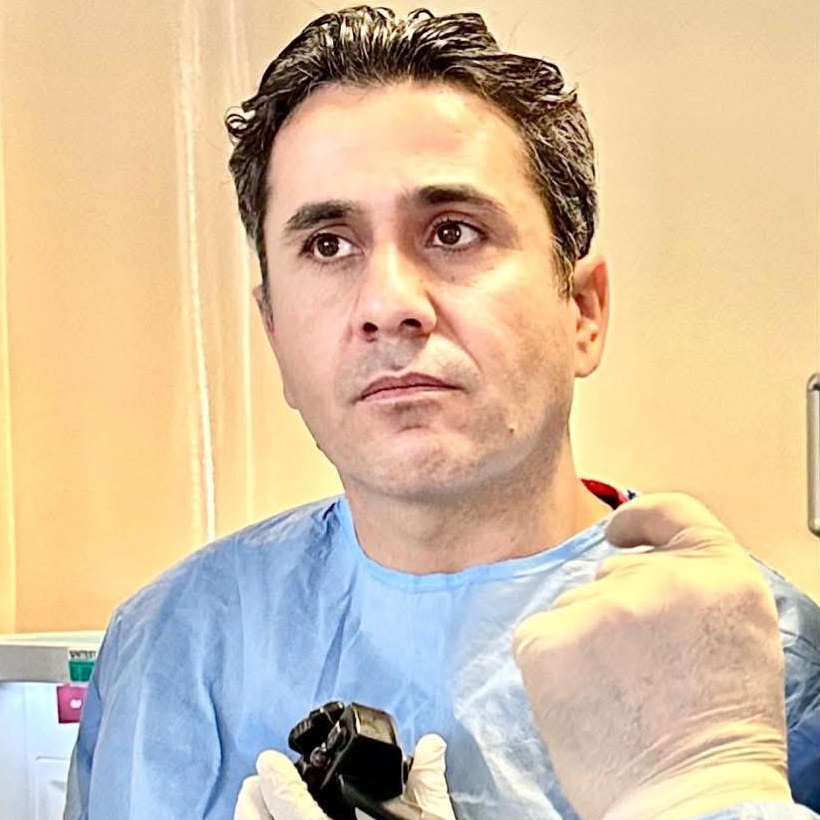
Dr. Jaafar Taher Hasan Barzani
Head of Gastroenterology department at Maryamana Hospital Erbil

Dr. Moaiad Elyas
King’s College Hospital London

Prof. Dr. Feng Zhang
Technical University of Munich

Dr. Hassan Ashktorab
Howard University College of Medicine
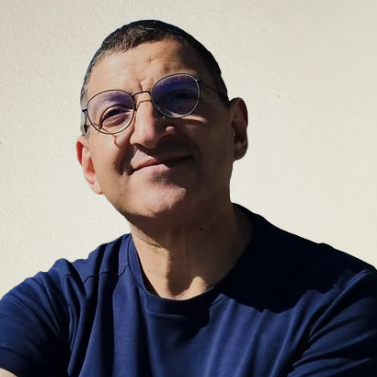
Dr. Tarek Hany
Lancashire Teaching Hospitals NHS Foundation Trust, UK

Prof. Dr. Ashraf Omar Abdelaziz
President - Egyptian Society of Liver Cancer

Dr. Lyudmila Avetissia
Shengavit Medical Center, Yerevan

Dr. Alia Abdalla Ibrahim
Al Habib Hospital

Md. Mokhlesur Rahman
Bangladesh College of Physicians & Surgeons, Dhaka

Dr.Hind Lahssini
University hospital Centre IBN ROCHD